Engine and gearbox
Control unit faults, misfires, automatic and manual gearbox operation, sensors, limp-home modes.
I come to wherever the car is standing and scan every control unit before you spend your money. That shows not only what is lit on the dashboard, but faults stored in history, traces of recently cleared memory and the mileage recorded inside the modules. I work for you, not for the seller.
I am an auto electrician and diagnostician. I check a car's electronics and electrics: control units, fault codes, module data, the charging and starting system, and in hybrids the battery condition. That is my part of the job and I am good at it.
I do not carry out bodywork or paint inspections: I do not measure paint thickness, assess crash repairs or check suspension on a lift. If you want a full bodywork appraisal you will also need someone for that part — I say so on the phone rather than taking money for something I will not check.
A car can drive perfectly and still carry its whole history inside the control units.
The most common sale scenario: fault memory cleared an hour before the viewing. The warning lights go out, the car drives normally and the buyer sees a clean dashboard. But control units store more than the list of active faults — counters, operating modes and traces showing the memory was wiped recently.
Second comes mileage. The odometer is only one of the places a car keeps that figure. In many cars the mileage, or data derived from it, is also written into other modules. A mismatch between them is a signal worth checking before you pay, not after.
Third are the things still building up: a fading battery, an alternator on the edge, a sensor that has not raised a code yet. Invisible on a test drive; visible in the data.
Not a single engine control unit, but every module I can establish a connection with.
Control unit faults, misfires, automatic and manual gearbox operation, sensors, limp-home modes.
Anti-lock braking, stability control, wheel speed and tyre pressure sensors.
SRS — faults, traces of deployment, sensor condition. One of the first places I look at in a car that has been in a crash.
Battery, alternator, starter, wiring. The most common reason for a phone call a week after the purchase.
Lambda sensors, EGR, diesel particulate filter, emissions test readiness before the technical inspection.
Hybrids add a high-voltage battery — a separate and far more important part. I cover it on its own page.
Indicative prices for labour. The exact amount is agreed by phone before I set off.
| Service | Price | Notes |
|---|---|---|
| Computer diagnostics | from 80 PLN | Scan of every accessible control unit |
| Hybrid battery test | from 250 PLN | Cell block readings — a separate service for hybrids |
| Call-out | from 150 PLN | Depends on distance |
| Weekend work | +20% | I work Saturdays and Sundays too |
Prices are indicative. The final amount is agreed by phone before I set off — never after the fact.
You tell me what the car is and where it stands. I give you the price and what I can read on that model.
I come to the address where the car is — dealer, car park, the seller's home. Weekends included.
Connecting and reading every accessible module. Usually 30–40 minutes.
I go through the result without jargon: what is critical, what is worth negotiating, what is normal for that age.
You have facts before you pay. The decision stays yours.
Footage from actual call-outs — no editing tricks.
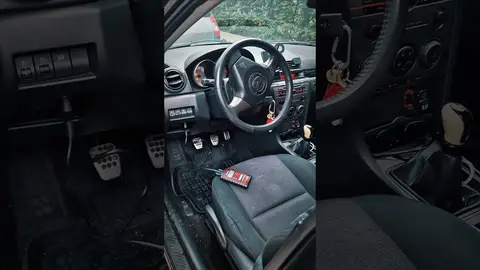 Mazda 3 · quick diagnostics after purchase
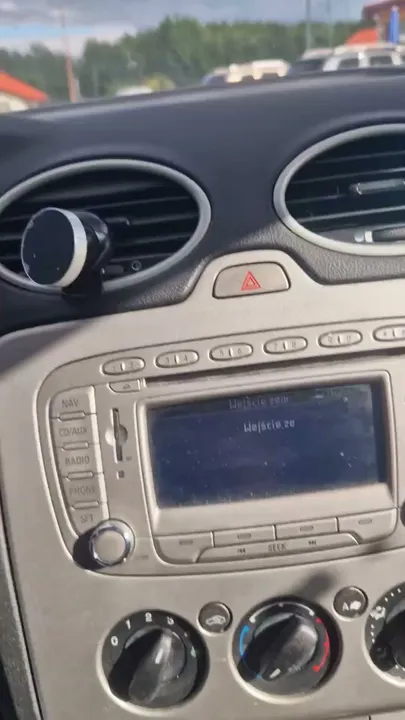 Mobile diagnostics · working on a Sunday
The AD Garage YouTube channel — more diagnostics and repairs in full.
Question not here? Call me — I will answer straight away.
Tell me what the car is and where it stands — I will take care of the rest.
Real repairs, not a brochure
I film what I actually do — including the jobs that did not go my way.